How to Choose an Outdoor Contractor for Your Home
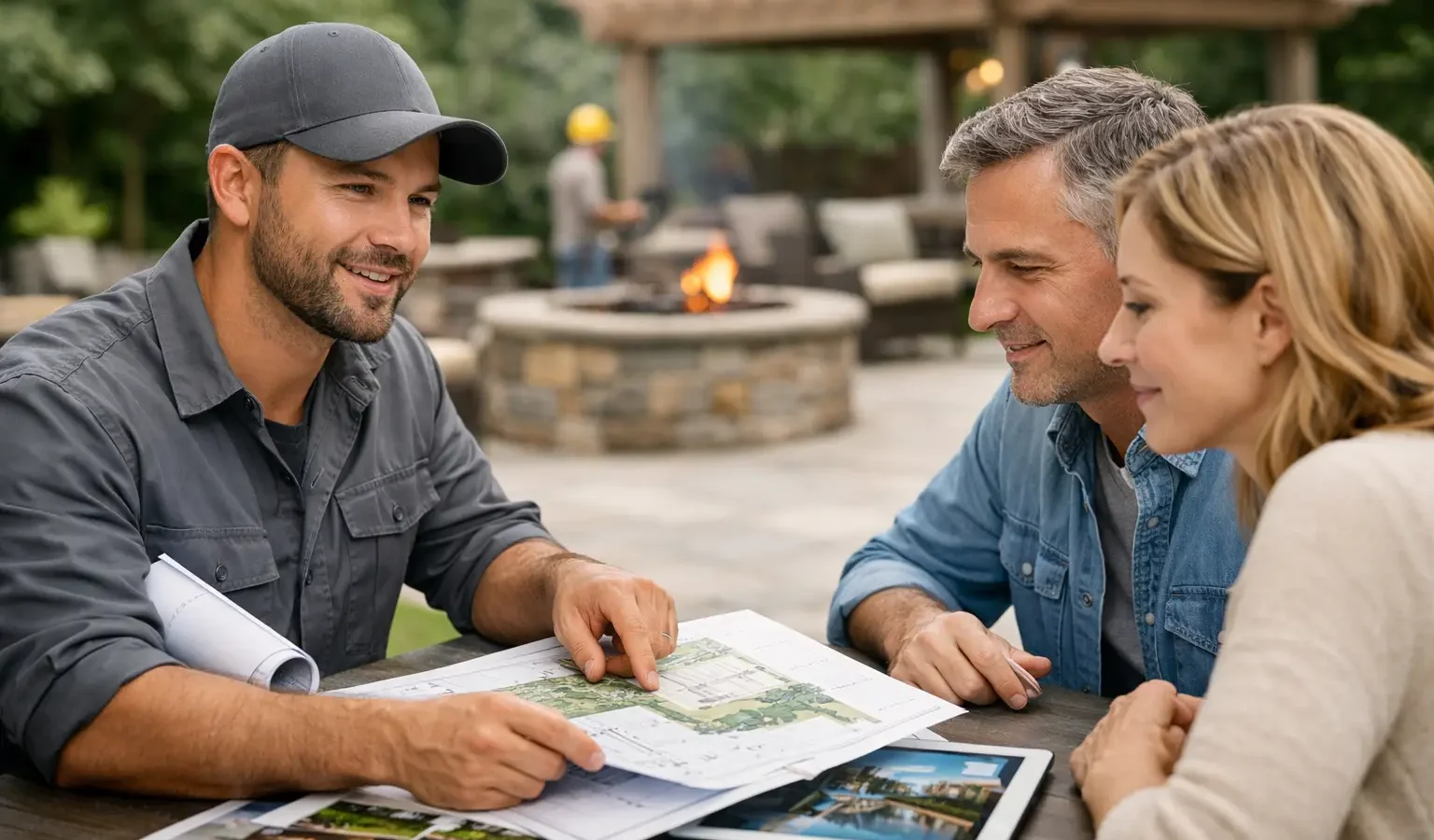
A backyard project can look straightforward from the driveway: replace a tired deck, add a covered porch, build a patio with a fire feature. In practice, each decision affects the next one – drainage, permits, structural connections, material choices, electrical work, and how the space will actually be used. Knowing how to choose an outdoor contractor begins with finding a professional whose experience matches the project you want to build, not simply the first company that can provide an estimate.
The right contractor does more than construct an attractive finished space. They help clarify what is feasible on your property, identify decisions that may affect cost or timing, and communicate clearly enough for you to make informed choices. A productive selection process takes a little preparation, but it can prevent weeks of mismatched conversations and expensive changes later.
1. Define the Project Before You Start Comparing Contractors
You do not need a complete set of plans before speaking with a contractor. You do need enough clarity to explain the outcome you want.
Start with the primary purpose of the space. Perhaps you want a larger deck for family dinners, a screened room that makes summer evenings more comfortable, or a full backyard entertaining area with a kitchen, pavilion, lighting, and a fire feature. Describe how many people will use it, what frustrates you about the current space, and what you would like to be different when the project is complete.
Then gather the practical details a qualified builder will need for a useful first conversation: your property location, approximate budget range, target timeline, ownership status, and any inspiration images, surveys, photos, or drawings you already have. If you live in an HOA community, on a slope, near the water, or in an area with unusual access constraints, mention that early.
A rough budget is not a commitment. It is a way to determine whether the scope, materials, and level of customization you have in mind are aligned. Without it, a contractor may be forced to guess at a direction that does not fit your plans.
2. Choose a Specialist for the Work You Need
Outdoor living projects are not interchangeable. A contractor who regularly installs simple concrete patios may not be the right fit for a hillside deck replacement with structural framing, custom railings, lighting, and stairs. Likewise, a skilled deck builder may not be equipped to coordinate a multi-trade backyard project that includes masonry, gas, plumbing, and an outdoor kitchen.
When evaluating experience, look beyond a general claim of “outdoor remodeling.” Ask which projects make up most of the contractor’s work and request examples similar in scale, style, and complexity to yours. Similar means more than a matching finish color. It may mean a screened porch addition, a freestanding pavilion, a composite deck around a pool, or a patio designed for a sloped suburban lot.
This is especially relevant when your project includes conditions that require specialized judgment. Coastal exposure, freeze-thaw cycles, mountain snow loads, aging homes, limited side-yard access, and local permitting requirements can all shape the construction approach. Local experience is valuable, but relevant project experience should carry equal weight.
3. Ask Questions That Reveal How They Work
A proposal tells you what a contractor expects to build. The early conversation tells you how they will approach the work. Use that conversation to understand their process, not just their price.
Ask who will prepare the design or drawings, whether engineering may be needed, and how permits are typically handled. Find out who will supervise the site each day, how changes are documented, and how often you can expect updates. For an integrated project, ask which trades are managed in-house and which are subcontracted.
You are listening for direct, specific answers. A capable contractor should be comfortable explaining what they know, what still needs to be confirmed, and where allowances or contingencies may apply. Early uncertainty is not automatically a warning sign. On an older property or a complex site, some unknowns are normal. The concern is a contractor who presents every issue as simple before they have examined the conditions.
Also ask about timing in practical terms. “We can start soon” is less useful than an explanation of design lead time, permit review, material ordering, anticipated construction duration, and factors that could shift the schedule. A dependable process does not guarantee perfect weather or immediate approvals. It does give you a clearer picture of what happens between signing an agreement and enjoying the space.
4. Review Past Work With a Critical Eye
Project galleries can show style and craftsmanship, but they should lead to more specific questions. Look at how stairs meet the grade, how railings and trim align, how rooflines connect, and whether the finished space feels integrated with the home. Details often reveal the difference between a project that photographs well and one that will perform well over time.
Ask for recent references from homeowners with comparable projects. Useful questions include whether the contractor communicated consistently, kept the site orderly, addressed problems fairly, and completed work close to the agreed schedule. A reference does not need to say everything went perfectly. In fact, a more credible reference may describe a challenge and explain how the contractor responded.
Licensing, insurance, and applicable credentials should also be verified directly. Requirements vary by state and municipality, so confirm what applies where you live rather than relying on a generic statement on a website. For projects involving structural work, electrical systems, gas lines, or additions to the home, this step is particularly significant.
5. Compare Proposals by Scope, Not by the Bottom Line
The lowest number is only meaningful when every proposal covers the same work. Outdoor construction estimates often vary because one contractor has included demolition, footings, drainage corrections, permits, lighting, or finish details that another has left out.
Read each proposal line by line. It should clearly identify the materials, dimensions, construction approach, included features, exclusions, payment schedule, and assumptions. If a selection has not been made yet, such as decking, pavers, appliances, or a fireplace surround, note whether the amount is a defined allowance and what happens if your final choice costs more or less.
Three things deserve particular attention: site preparation, permit responsibility, and change orders. Hidden site conditions can occur, but the agreement should explain how added work is approved and priced before it begins. You should not have to interpret a vague estimate after construction is underway.
Price still matters. It should. But a higher proposal may reflect a more complete scope, stronger material specification, a dedicated project manager, or experience with the conditions on your property. Compare the value of the complete plan, not a single number detached from the details.
6. Pay Attention to Communication and Fit
Your contractor will be part of your home life for weeks or months. Technical ability is essential, but so is the ability to communicate in a way that works for you.
Notice whether the contractor listens to your priorities before recommending solutions. Do they explain trade-offs without pressuring you toward the most expensive option? Do they answer questions clearly, return calls within a reasonable time, and distinguish between a firm commitment and an early estimate?
There is no single “best” contractor for every homeowner. One builder may be an excellent fit for a highly customized, design-led project, while another may be better organized for an efficient deck replacement with defined material selections. The right choice is the professional whose relevant expertise, working style, scope, and availability align with your project.
A project-specific referral process can make this stage more efficient. Deckari collects the details that shape builder fit – project type, location, budget, timing, and readiness – so your first conversation can begin with useful context rather than a generic request for a quote. The contractor selection remains yours.
7. Make the Final Decision With the Agreement in Hand
Before you sign, make sure the agreement reflects the project you discussed, not an earlier version of it. Confirm the final scope, materials, payment milestones, expected start window, completion expectations, warranty terms, and change-order process. Keep approved drawings, selections, and written communications organized in one place.
Do not let urgency replace due diligence. A contractor with an immediate opening may be a good opportunity, but it is still reasonable to verify the scope and ask the questions that help you feel confident. Conversely, a builder with a longer lead time may be worth considering if their experience and process are a stronger match.
The goal is not to eliminate every unknown before work begins. It is to choose a contractor who can address the unknowns professionally, document decisions clearly, and build the outdoor space around the way you want to live. A well-prepared first conversation is often where that confidence starts.