How to Choose an Outdoor Kitchen Contractor
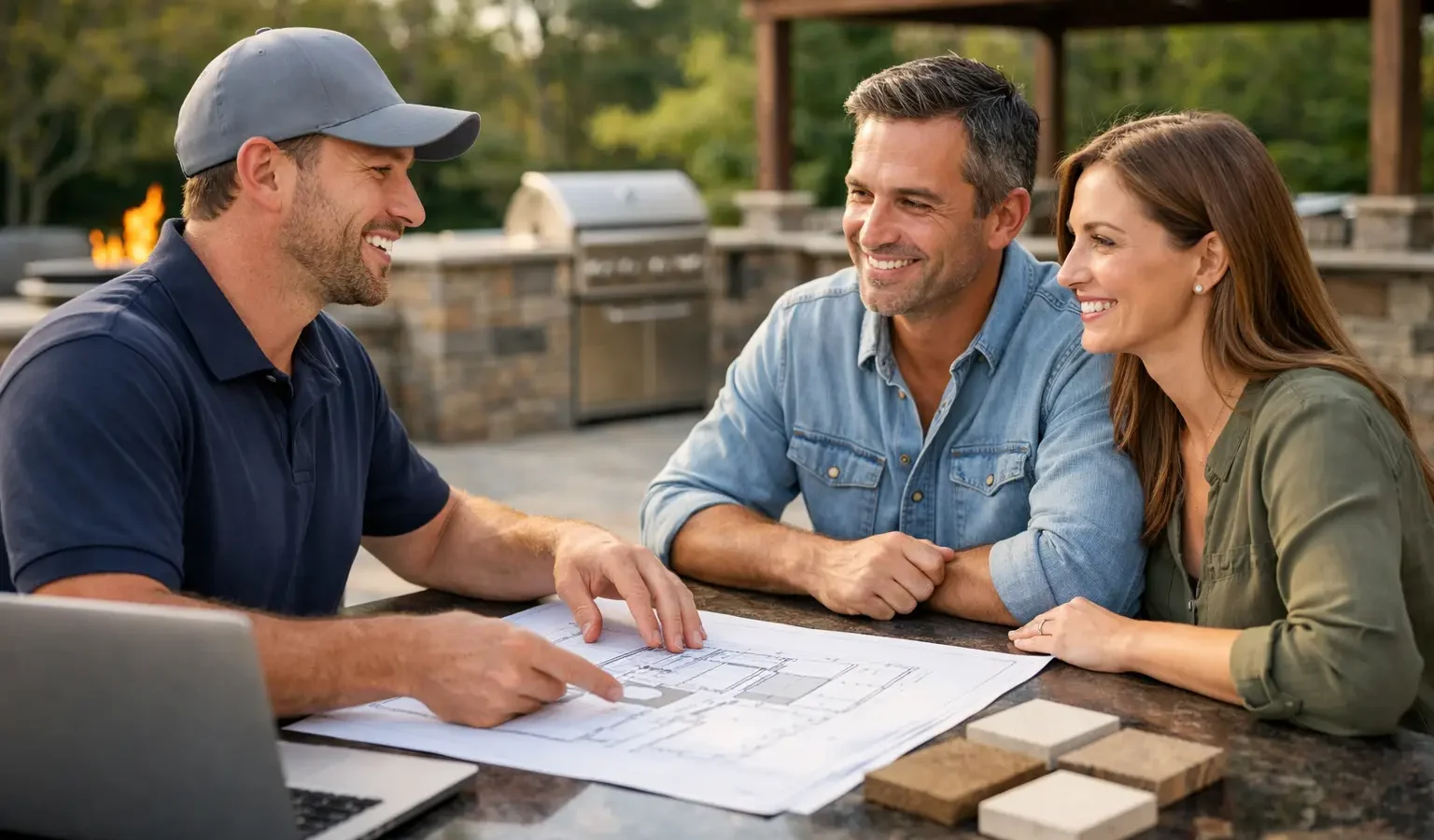
A built-in grill under a roofline, a pizza oven beside the patio, and a refrigerator within reach of the dining table may look like one backyard feature. In practice, they are a coordinated construction project. The right outdoor kitchen contractor helps turn that vision into a space that works safely, holds up to local weather, and fits the way you actually host.
That starts with more than choosing appliances. A productive first conversation should cover the kitchen’s location, utilities, surrounding structures, materials, budget, and the professionals needed to complete the work. When those details are clear early, you can spend less time repeating your plans and more time evaluating the builder’s approach.
Start With the Decisions a Builder Cannot Make for You
A contractor can advise on layout and construction, but the project needs a homeowner’s point of view first. Think about how your household will use the kitchen on an ordinary weekend, not only during a large gathering. Will one person typically cook while others sit nearby? Do you want a full meal-prep area, or a focused grilling station with cold storage and counter space? Is the kitchen part of a larger deck, patio, pool, pavilion, or backyard renovation?
The answers affect scale, circulation, and cost. A compact grill island can be an excellent fit for a patio that already functions well. A larger kitchen with a sink, ice maker, bar seating, and overhead cover may require changes to drainage, electrical service, gas routing, hardscape, or the overall backyard plan.
It also helps to identify what must remain flexible. You may know that you want a grill, storage, and seating for six, while still deciding between a straight run, L-shape, or island configuration. That is useful information, not a lack of preparation. A good builder can help test options against the site.
Consider climate before selecting finishes
Outdoor kitchens are exposed systems. Freeze-thaw cycles, coastal salt air, heavy rain, intense sun, wind, and snow loads all influence material choices and construction details. Stone veneer, tile, cabinetry, countertop materials, appliance housings, and cover structures need to suit the conditions where you live.
A beautiful design that ignores weather may lead to staining, cracked finishes, rust, shifting pavers, or difficult seasonal maintenance. Ask how the contractor handles water management, ventilation, winterization where relevant, and clearances around heat-producing appliances. The best answer will be specific to your site rather than a generic promise that everything is weatherproof.
What an Outdoor Kitchen Contractor Should Coordinate
The scope varies by project, but an outdoor kitchen often brings several trades together. Depending on the layout, the work may involve site preparation, concrete or masonry, framing, roofing, gas, electrical, plumbing, drainage, appliance installation, and finish work. Some builders self-perform key portions of the work; others coordinate qualified licensed trade partners.
Neither approach is automatically better. What matters is that responsibility is clear. You should understand who is designing the kitchen, who obtains permits if they are required, who schedules inspections, and who is accountable when the countertop template, appliance specifications, and utility rough-ins must align.
This coordination becomes especially important when the kitchen connects to an existing deck, screened porch, covered patio, or pavilion. Adding heavy masonry to a structure not designed for it can create a costly problem. Extending gas or electrical service may also reveal capacity limits that were not obvious at the start. An experienced contractor evaluates those conditions before presenting a polished final concept as a simple installation.
Evaluate Experience That Matches Your Project
Not every contractor who installs a grill island is the right fit for a complete outdoor entertaining environment. Review past projects with an eye for similarities to yours. If you are planning a kitchen beneath a new pavilion, look for examples where the builder integrated roofing, lighting, ventilation, and utility runs. If your property has a slope, retaining walls, or a pool, ask how the contractor has managed comparable site constraints.
Photos are helpful, but the conversation behind them matters more. Ask what was challenging about a representative project and how the team addressed it. A capable builder should be able to explain why a layout changed, how they protected adjacent finishes, or how they solved a drainage issue without making the answer sound overly complicated.
Ask about process, not just products
Premium appliances and attractive countertops do not guarantee a well-run build. Ask how the contractor moves from first meeting to construction. You want to know when measurements are confirmed, when appliance cut sheets are reviewed, when final pricing is established, and what happens if a hidden condition appears after work begins.
Clear process protects both sides. It gives you a better understanding of what is included and gives the builder the information needed to plan responsibly. Be cautious when a contractor offers a firm price before discussing site conditions, utilities, material selections, or permit requirements. Early budget ranges can be useful. A detailed contract should reflect a detailed scope.
Bring Useful Information to the First Conversation
You do not need completed plans to begin speaking with builders. You do need enough context for them to determine whether the project is a fit. A few photos of the existing yard, inspiration images, rough dimensions, and a simple list of desired features can make the conversation much more productive.
For a substantial outdoor kitchen project, be ready to discuss these details:
- Your property location and whether you own the home or are authorized to make improvements.
- The broader project scope, including any deck, patio, cover structure, pool, landscaping, or fire feature work happening at the same time.
- A realistic budget range, with room for utility work, permits, site preparation, and construction details beyond appliances.
- Your preferred timing, including whether you are gathering ideas or intend to hire soon.
- What you already know about gas, electrical, water, sewer, drainage, HOA rules, and property limitations.
Budget conversations are often uncomfortable, but they are one of the fastest ways to improve contractor fit. A builder can recommend an approach that respects your priorities only when the target investment is understood. If the vision and budget do not align, that does not mean the project is over. It may mean phasing the work, simplifying the footprint, choosing different finishes, or completing the patio and utilities now so the kitchen can expand later.
Deckari helps homeowners organize this type of project information before making an introduction, creating a clearer path to a useful first conversation with a specialized builder. You still evaluate the contractor, review the proposal, and decide who to hire.
Compare Proposals on Scope, Not the Lowest Number
Two estimates can look similar at a glance while covering very different work. One may include demolition, utility trenching, drainage improvements, permits, appliance installation, and cleanup. Another may assume those items are already complete or leave them as allowances. The lower proposal is not necessarily less trustworthy, but it should be easier to understand before you compare it.
Read each proposal alongside the plans, selections, and exclusions. Confirm appliance models or placeholder allowances, countertop material and edge details, cabinet construction, finish materials, lighting, outlets, gas connections, water and drain lines, and any structural work. Ask whether lead times could affect the schedule and whether you are responsible for ordering appliances.
It is also reasonable to ask how changes are documented. Outdoor projects can uncover roots, unsuitable soil, aging utility lines, or site conditions that require a revised plan. You cannot eliminate every unknown, but a written change process prevents an unexpected conversation from becoming an unclear bill.
Let the Site Guide the Final Design
The most successful outdoor kitchens do not simply copy a photo. They respect the home, the property, the climate, and the people who will use them. A smaller kitchen with generous circulation and durable finishes may serve your family better than a crowded layout filled with appliances that rarely run.
Choose a contractor who asks thoughtful questions, explains trade-offs plainly, and gives your project the level of planning it deserves. The goal is not just an impressive place to cook outside. It is a backyard that feels easier to enjoy every time you step into it.