How to Find a Screened Porch Contractor Near Me
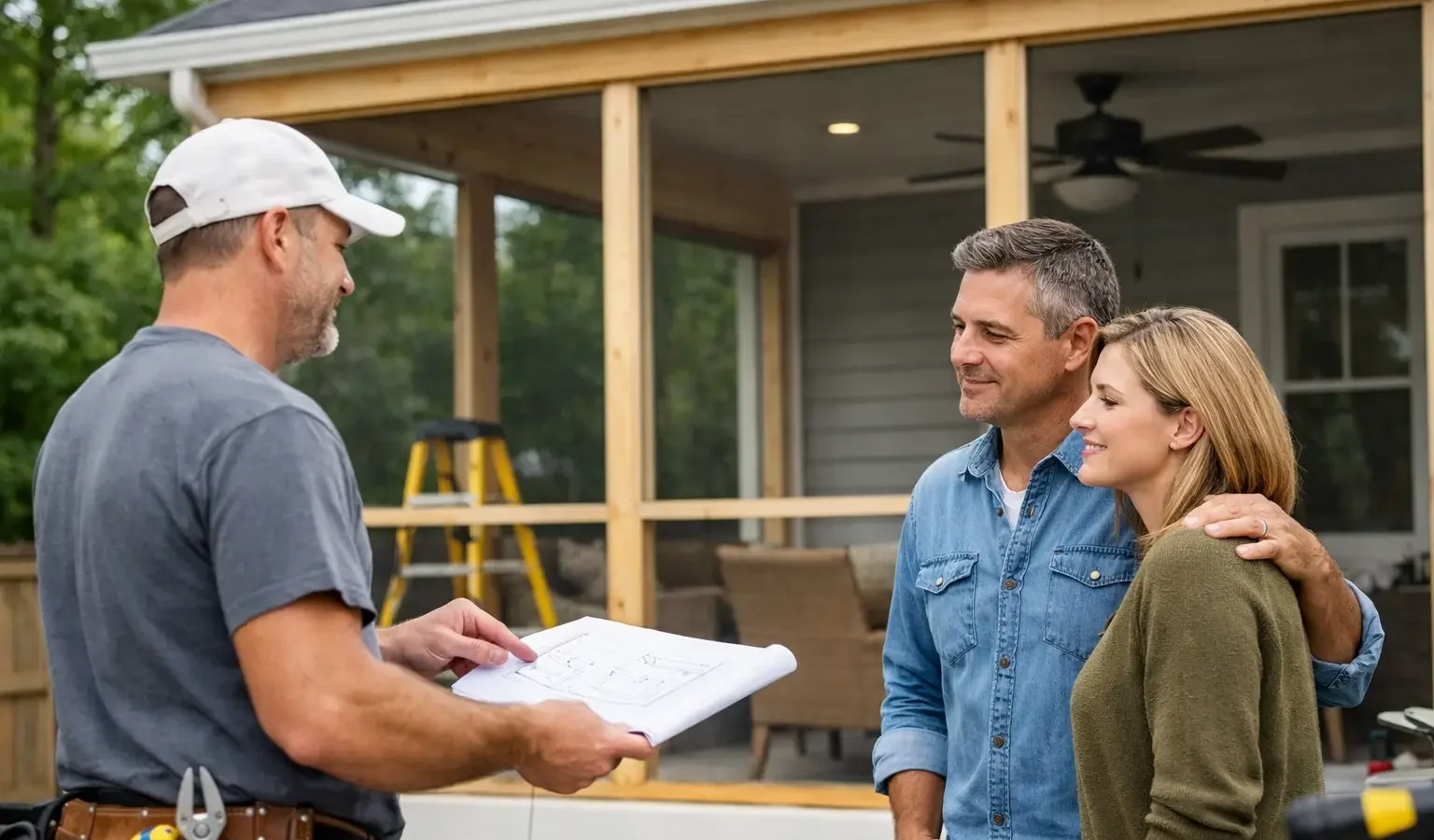
A screened porch can change how often you use the back of your home. It can create a protected place for morning coffee, family dinners, lake views, or a quiet evening without the mosquitoes. But searching for a screened porch contractor near me is not simply about finding the closest company with good reviews. The right fit depends on whether the builder understands the structure, style, site conditions, and level of finish your project requires.
A productive search begins before you contact anyone. When you can explain what you want to build, where it will sit, and what matters most to you, you are more likely to have a useful first conversation with a contractor equipped to take the project on.
Start With the Porch You Actually Want
“Screened porch” can describe very different projects. One homeowner may be looking to screen in an existing covered deck. Another may need a new roofed structure, a foundation or footings, electrical work, and a finished ceiling that matches the home. A third may be considering a three-season room with removable panels, a fireplace, and a connection to a new patio or outdoor kitchen.
That difference affects who should build it, how the project is permitted, and what a realistic budget looks like. Before searching, write down the broad scope. Consider whether you are working with an existing porch, deck, patio, or roofline, or starting from an open section of yard. Note the approximate size, the preferred entry point from the home, and whether the space needs to accommodate dining, lounging, a television, a grill area nearby, or all of the above.
You do not need construction drawings to begin. A few inspiration photos, basic measurements, and a clear list of priorities can be enough. What matters is separating must-haves from nice-to-haves. For example, a vaulted ceiling may matter more to you than a fireplace, while a family in a wooded area may prioritize durable screening and a screened-under-deck area.
Look for Relevant Build Experience, Not Just General Remodeling
A contractor can be excellent at interior kitchens and still not be the best choice for a screened porch. Outdoor structures require a particular mix of skills: framing, roof integration, drainage planning, exterior finishes, code awareness, and an understanding of how sunlight, wind, insects, and moisture affect the finished space.
When evaluating a screened porch contractor near me, ask to see completed projects that resemble yours in meaningful ways. Similarity is not limited to square footage. Look for work with comparable rooflines, elevations, material quality, architectural style, and site conditions.
What to look for in past projects
Photos can reveal whether a builder has experience creating porches that feel like part of the home rather than an add-on. Pay attention to how the roof joins the house, how columns and trim are detailed, and whether the flooring, ceiling, railing, and screen system appear thoughtfully coordinated.
For a project with a steep slope, a lakeside setting, or a second-story deck below the porch, ask specifically about comparable structural conditions. If your goal includes a fireplace, built-in kitchen components, motorized screens, heaters, or lighting, confirm that the contractor regularly coordinates those elements. A builder does not need to perform every trade in-house, but they should be able to explain who handles the work and how it is scheduled.
Local experience can be useful, particularly where snow loads, hurricane exposure, wildfire considerations, coastal moisture, or strict neighborhood standards affect the design. Still, proximity alone should not decide the search. A slightly farther builder with a strong record in your exact type of project may offer a better fit than the nearest generalist.
Share Enough Project Context to Get Better Responses
Generic quote requests tend to produce generic conversations. A builder can provide a more meaningful response when they know the project’s location, intended scope, budget range, timeline, and current stage of planning.
Be direct about whether you own the property, are under contract to buy it, or are planning improvements before a future move. Include your city or ZIP code, because service areas can vary even within the same metro region. Mention access limitations, such as a narrow side yard, hillside lot, HOA review, or the need to work around an existing pool or mature landscaping.
Budget can feel uncomfortable to share early, but a realistic range saves time. It does not lock you into a price. It helps determine whether your expectations align with the level of construction, materials, and design services involved. A basic screen enclosure on an existing sound structure is a different undertaking from a custom porch addition with masonry, electrical upgrades, and a new roof system.
Your timing matters, too. If you hope to use the space by a specific season or event, say so. A responsible contractor can tell you whether that schedule is possible after design, permitting, material lead times, and construction are considered. Promises made before those details are reviewed should be treated carefully.
Ask Questions That Clarify Fit
The first contractor conversation should help both sides determine whether it makes sense to continue. You are not obligated to make a decision on the call, and the contractor should not be expected to finalize a price without understanding the site and scope.
Ask how the company approaches screened porch projects from first visit through construction. Find out whether they provide design support, work from homeowner-provided plans, or collaborate with an architect or engineer when needed. Ask who will be your day-to-day contact once construction starts and how change requests are handled.
It is also reasonable to discuss permits and inspections. Requirements differ by municipality and project type, especially when a porch changes a home’s footprint, ties into the roof, or includes electrical, gas, or heating components. The contractor should be able to explain their anticipated role, even if final requirements cannot be confirmed until the property and plans are reviewed.
References remain valuable for a project of this size. Rather than asking only whether the homeowner was satisfied, ask about communication, jobsite care, schedule management, and how the contractor handled an unexpected condition. Those details often tell you more than a star rating.
Compare Proposals Beyond the Bottom Line
Once you receive proposals, compare what is included, not just the final number. Two prices can be far apart because the projects are not actually the same. One may include demolition, structural upgrades, permit fees, lighting allowances, a higher-grade screen system, painted finishes, gutters, or a detailed cleanup plan. Another may leave some of those items to later decisions.
A well-defined proposal should identify the major materials, the intended scope of work, payment schedule, exclusions, and any allowances. Allowances are common for selections that have not been finalized, such as lighting fixtures or flooring. Ask how overages or unused allowance funds are handled.
Cheapest is not always a warning sign, and highest is not automatically best. It depends on the design complexity, contractor capacity, material specifications, and the completeness of the scope. The goal is to understand what you are buying and whether the builder’s approach matches your expectations.
Watch for Signs of a Strong Working Relationship
Your screened porch project may involve several weeks of decisions and activity around your home. Skill matters, but communication matters nearly as much. The builder should listen closely enough to restate your goals, explain unknowns without creating unnecessary alarm, and set realistic next steps.
Be cautious if a contractor pressures you to sign before the scope is clear, dismisses questions about permits or insurance, or gives an unusually firm price without seeing the site. On the other hand, a contractor who asks detailed questions is not making the process harder. They may be doing the early work required to prevent confusion later.
A service such as Deckari can help create a clearer path by collecting the project details builders need before an introduction. That can reduce repetitive preliminary calls and help connect you with professionals whose specialties, service area, and typical project scale are more closely aligned. You remain in control of whom you speak with, what proposal you accept, and who ultimately builds your porch.
Give the Right Builder a Clear Starting Point
A screened porch should feel intentional from the moment you step into it. Finding the right contractor begins the same way: with an honest picture of the space you want, the conditions of your property, and the decisions you are ready to make. Bring that clarity to your first conversations, and you will be better positioned to choose a builder who can turn a good idea into a comfortable, lasting part of your home.