How to Find an Outdoor Living Builder Near You
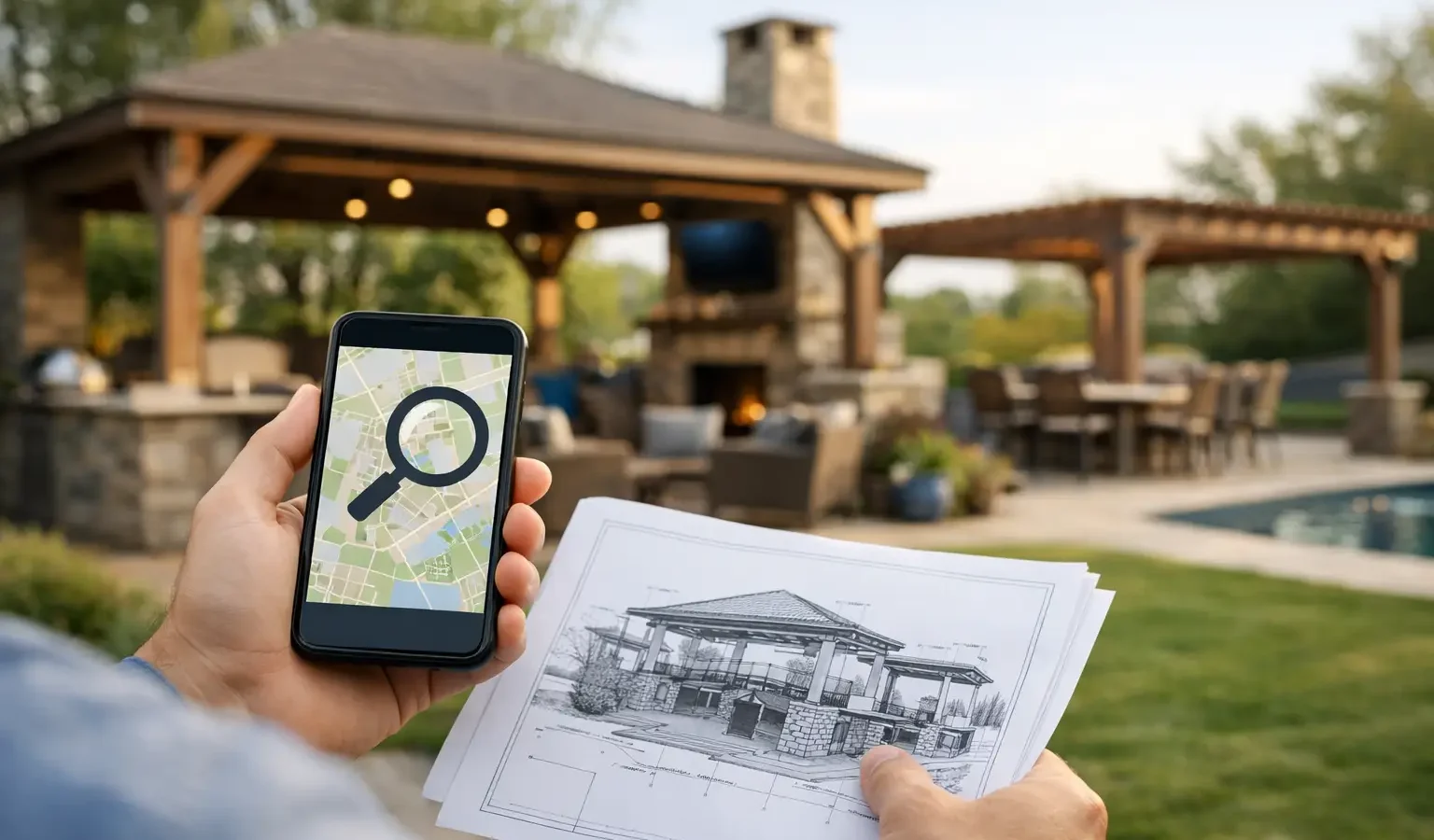
A beautiful backyard project can look straightforward in an inspiration photo: a larger deck, a covered porch, a fire feature, or an outdoor kitchen ready for weekends with friends. The harder part is knowing how to find an outdoor living builder who can turn that vision into a well-planned, durable space that fits your home, property, and budget.
A generic contractor search often produces a long list of names and very little clarity. Outdoor living work is specialized. A builder who does excellent interior remodeling may not be the right fit for a hillside deck, a screened porch addition, a masonry patio, or a complete backyard transformation. A clearer path starts with defining your project well enough to have a useful first conversation with the right professional.
1. Define the project before you start comparing builders
You do not need finished architectural drawings to begin. But you should be able to describe what you want to build, why you want it, and what needs to work better than it does today.
For example, “we want a backyard upgrade” is a starting point. “We want to replace an aging deck, add a covered area for dining, improve the stair access to the yard, and create room for a fire feature” gives a prospective builder far more to work with. It also helps you identify which type of experience matters most.
Start by putting your project into a primary category: deck replacement or expansion, new deck, porch, screened room, sunroom, patio, pergola or pavilion, outdoor kitchen, fire feature, or an integrated backyard project. Then consider the conditions that affect the work. A steep lot, waterfront exposure, an older home, limited access, drainage issues, an HOA, or an existing structure that needs to be removed can all shape the builder you need.
It is also useful to separate must-haves from ideas you are still considering. A covered dining area may be essential, while built-in seating or a television wall may be optional. That distinction lets a builder develop practical options rather than pricing a vague wish list.
2. Look for relevant work, not just an attractive portfolio
When reviewing a builder, look beyond whether their finished projects are attractive. Ask whether they have built projects similar to yours in scope, materials, and site conditions.
A contractor with a portfolio full of simple ground-level patios may not be the best match for a multilevel composite deck with structural framing, custom railings, lighting, and an outdoor kitchen. Likewise, a deck specialist may be highly qualified for your deck replacement but less experienced with a substantial masonry installation or a conditioned sunroom addition.
Relevant experience does not mean every prior project needs to look exactly like yours. It means the builder understands the decisions and risks that come with your type of project. For a deck, that may include footings, framing, drainage, connections to the home, railing requirements, and material performance. For a covered structure, it may include roof integration, electrical planning, ceiling finishes, and how the new structure relates to the existing house.
Ask to see examples that are comparable in complexity. Pay attention to details that suggest care: clean transitions at the house, thoughtful stairs, proportionate rooflines, consistent material choices, and layouts that feel useful rather than crowded. The goal is not to copy another homeowner’s project. It is to see evidence that the builder can execute the level of work you are considering.
3. Share the information that makes a first conversation productive
The fastest way to receive meaningful guidance is to give a builder enough context upfront. That does not mean preparing a full construction package yourself. It means being direct about the basics that affect fit and feasibility.
Location matters because local permitting practices, climate, material availability, and building requirements vary. Your desired timeline matters because reputable builders may be scheduling projects weeks or months ahead. Your budget range matters because a builder cannot responsibly recommend scope or materials without knowing the investment you are prepared to make.
Be candid if you are still determining your budget. A rough range is more useful than avoiding the question entirely. It helps the builder explain what may be realistic now, what could be phased later, and where the major cost drivers are likely to be. Site work, structural changes, roofing, electrical service, custom fabrication, and premium materials can change a project substantially.
Photos of the existing space are valuable, especially when paired with inspiration images. Existing photos show access, elevations, mature landscaping, nearby structures, and constraints that do not appear on a plot plan. Inspiration images communicate the feeling and features you are drawn to. Together, they provide a better starting point than either one alone.
4. Ask how the builder approaches design, pricing, and construction
A good builder should be able to explain their process in plain language. You are not looking for a rehearsed sales pitch. You are looking for clarity about how your ideas become a buildable project.
Some builders provide design services in-house. Others work with architects, designers, engineers, or specialty trades as needed. Either approach can work well. The important question is who is responsible for coordinating the decisions that affect construction, permits, budget, and schedule.
Ask when a preliminary budget becomes a detailed proposal, what is included in the scope, and how allowances or selections are handled. A lower initial number is not always a better number if it leaves out demolition, permits, drainage, electrical work, site protection, or key finish details. Comparisons are most useful when the scopes are genuinely similar.
You should also understand how changes are managed. Outdoor projects can reveal surprises once work begins, particularly around old structures, grading, utilities, or concealed conditions at the house. A professional builder will not promise that every unknown can be eliminated. They should, however, explain how change orders are documented, approved, and priced before additional work moves forward.
5. Evaluate communication as carefully as craftsmanship
Your outdoor living project may involve weeks or months of decisions, deliveries, inspections, weather delays, and work around your daily life. Communication is not a minor preference. It is part of the service you are hiring.
Notice the quality of the first interaction. Did the builder ask thoughtful questions about your property and goals? Did they listen before recommending a solution? Were they clear about what they need from you, what happens next, and whether your project is within their typical range?
Responsiveness alone is not the whole story. A builder who replies instantly but offers vague answers is not necessarily a strong fit. Look for organized communication, realistic expectations, and a willingness to explain trade-offs. For example, a builder may help you decide whether a pergola provides enough shade or whether a roofed structure better supports how you plan to use the space. They may explain why a certain layout improves circulation, or why drainage needs to be addressed before a patio is installed.
You should feel informed, not pressured. The final choice is yours, and a good process gives you the information to make it confidently.
6. Compare proposals for fit, not just the bottom line
Once you have spoken with qualified builders, compare more than the total price. Consider the proposed scope, materials, project schedule, design support, warranty practices, and the team’s experience with your type of work.
If one proposal is notably lower, ask why. It may reflect a simpler material package, a narrower scope, fewer included features, or different assumptions about site conditions. It could also be a sign that the builder has not yet fully understood the project. There is no universal rule that the highest proposal is best, either. The best choice is the builder whose approach, qualifications, and documented scope align with the project you want to build.
This is also the time to confirm practical details: licensing and insurance appropriate to your location, permit responsibility, payment schedule, anticipated start window, and who will supervise work on site. Get the agreed scope in writing before construction begins.
A more useful way to begin your builder search
The right outdoor living builder is not simply the closest contractor or the first company that returns your call. They are a professional whose experience fits your project, whose process makes sense for your level of readiness, and whose communication gives you confidence in the work ahead.
Deckari helps homeowners start with the project details that matter – scope, location, budget, timeline, ownership status, and design readiness – so the introduction can be more useful from the beginning. Whether you are replacing a deck or planning a complete backyard environment, bring a clear vision, honest priorities, and the questions that will help you decide. You remain in control of who you hire and how your backyard takes shape.