Choosing Deck Contractors: What to Ask First
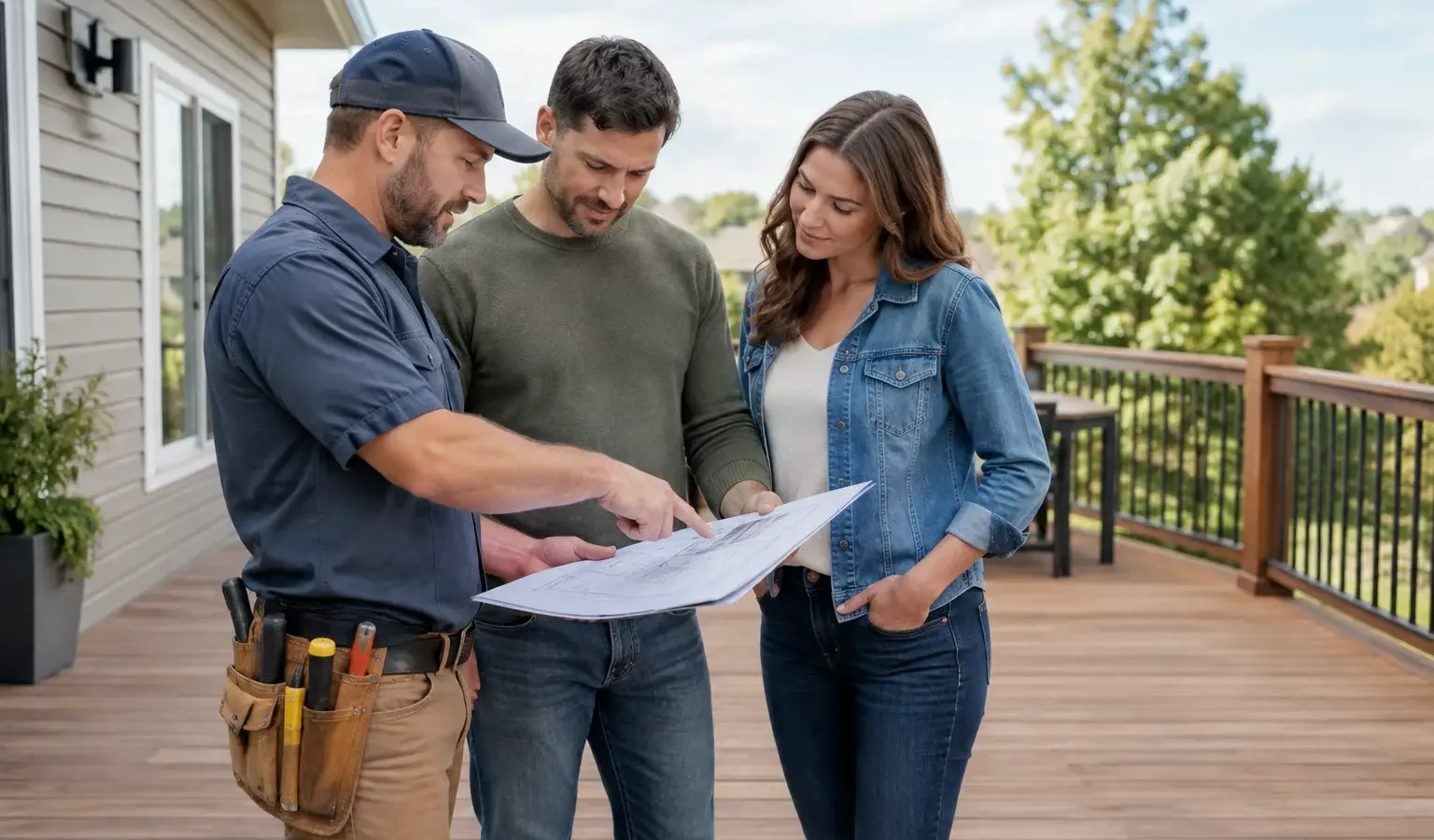
A deck can look straightforward from the yard, but the work behind it rarely is. A replacement may reveal damaged framing, difficult access, code updates, or a need to rethink stairs, drainage, and railings. If you are choosing deck contractors, the goal is not simply to find someone who builds decks. It is to find a builder whose experience, process, and capacity fit the project you actually want to complete.
A useful first conversation begins before you request an estimate. The clearer you are about your property, priorities, and decision timeline, the easier it is to recognize whether a contractor is a strong fit.
1. Define the project before you compare builders
Start with the outcome you want, not just a material or a square-foot number. Are you replacing an aging pressure-treated deck in the same footprint? Expanding it for dining and entertaining? Building a covered deck that connects to a screened room, patio, or outdoor kitchen? These projects may all be called a “deck,” but they call for different experience and planning.
Think through how you expect to use the space. A family gathering area may need broad stairs, shade, lighting, and room for a dining table. A hillside deck may require specialized foundations and thoughtful circulation. A lakeside or coastal property may bring site constraints, moisture exposure, wind considerations, and permitting questions that deserve attention early.
You do not need finished plans to begin. Inspiration photos, rough measurements, a property survey, and a clear description of what is not working today can be enough for an initial discussion. If you already have drawings or engineering, have them ready. They will help a builder understand scope and price the work more accurately.
2. Look for experience that matches the scope
A contractor with excellent reviews for small repairs is not automatically the right choice for a multi-level composite deck with a roof structure, integrated lighting, and a new stair system. Ask to see completed work that resembles yours in scale, materials, and site conditions.
Relevant experience can include more than the finished appearance. Ask how the contractor approaches elevated decks, drainage near the house, footings, existing structural connections, and local permit requirements. For a replacement, ask how they inspect what is concealed beneath the current deck and how they handle surprises discovered during demolition.
This is also the time to understand who will do the work. Some companies have an in-house crew and dedicated project manager. Others coordinate subcontractors for electrical, masonry, roofing, or specialty features. Neither model is inherently better. What matters is that responsibilities are clear, the builder has a reliable process, and you know who will communicate with you when the project is underway.
3. Ask about design, permitting, and site planning
A compelling deck project has to work in daily life, not only in photographs. The builder should ask practical questions about door locations, traffic flow, views, privacy, sun exposure, furniture, grill placement, storage, and how the deck meets the surrounding yard.
For a simple replacement, design may be limited to selecting decking, railing, and stair details. For an expansion or a complete backyard transformation, design can shape everything from the deck elevation to how a future patio, pavilion, fire feature, or landscaping phase will connect. A builder who understands the larger plan can help you avoid choices that limit the property later.
Permitting should be discussed plainly. Ask whether the contractor pulls permits, prepares drawings, coordinates engineering when required, and handles inspections. Requirements vary by municipality and project type, so avoid assumptions. If an association approval, zoning review, or environmental consideration could affect timing, bring it up before you commit.
4. Compare proposals by scope, not just the bottom line
The lowest estimate can be difficult to evaluate if it leaves out demolition, permit fees, footings, stair construction, disposal, flashing, lighting, or the specific railing system you expected. A higher proposal may include necessary work that another estimate treats as an allowance or excludes entirely.
Ask each contractor to explain the scope in plain language. You should be able to see the proposed materials, dimensions, structural approach, demolition plan, finish details, and any known exclusions. If a material selection has not been finalized, ask what allowance has been carried and what could cause that amount to change.
A good proposal does not eliminate every unknown. Existing conditions, weather delays, municipal reviews, and owner-requested changes can affect a project. It should, however, give you a clear basis for comparison and explain how change orders are documented, priced, and approved. You should never be left guessing whether a verbal request has changed the contract.
5. Evaluate communication before construction starts
The estimating process is often the best preview of the construction experience. Notice whether the contractor listens to your priorities, asks specific questions, follows through when promised, and explains trade-offs without pressure.
Pay attention to the quality of the questions you receive. A builder who asks about access, utility locations, drainage, budget range, timing, ownership status, and design readiness is trying to understand the project rather than forcing it into a generic quote. That groundwork can prevent repetitive conversations and improve the quality of the proposal.
You should also ask how communication works once construction begins. Find out who your day-to-day contact will be, how often you will receive updates, when material selections are due, and how the team handles decisions that need a prompt response. Clear communication is not a luxury on an outdoor project. It is how the schedule, budget, and final details stay aligned.
6. Verify the practical protections
Before signing, confirm that the contractor is properly licensed where required and carries appropriate insurance for the work. Request current documentation rather than relying on a profile or a verbal assurance. For larger projects, it is reasonable to ask about workers’ compensation coverage, subcontractor practices, and how the company manages jobsite safety.
References are most useful when they are specific. Rather than asking only whether a past client was happy, ask whether the project stayed close to the agreed scope, how the builder communicated during delays or changes, and whether the site was kept orderly. Recent references for projects similar to yours are especially valuable.
Review the contract carefully as well. It should identify the parties, scope, payment schedule, material assumptions, warranty information, permit responsibilities, anticipated timing, and change-order process. A schedule may need flexibility, particularly when permits or weather are involved, but the agreement should still set reasonable expectations.
7. Make room for budget and timing conversations
Homeowners sometimes hold back a budget because they do not want to be overcharged. But a realistic investment range helps a qualified builder recommend the right path. It can clarify whether the project is best approached as a straightforward replacement, a phased expansion, or a more integrated outdoor living plan.
Timing matters just as much. If you hope to use the deck for a graduation party, summer season, or holiday gathering, say so early. A reputable contractor can tell you whether that target is feasible based on design, permitting, material lead times, and current scheduling. A rushed promise is less useful than an honest timeline.
Choosing deck contractors with confidence
The right contractor should make the process feel more organized, not more confusing. You are looking for relevant craftsmanship, a defined scope, dependable communication, and a proposal that reflects the way you want to use your property. Cost matters, but it is only one part of the decision.
A project-specific introduction process, such as the one Deckari provides, can help homeowners begin with builders who are equipped for the type and scale of work under consideration. You still choose who to meet, what to build, and whether to move forward.
Take the time to prepare a clear project picture, then use each conversation to test fit. The best first meeting should leave you with more than a price. It should give you a clearer path toward a backyard you will be glad to use for years.