Best Outdoor Kitchen Appliances for Your Backyard
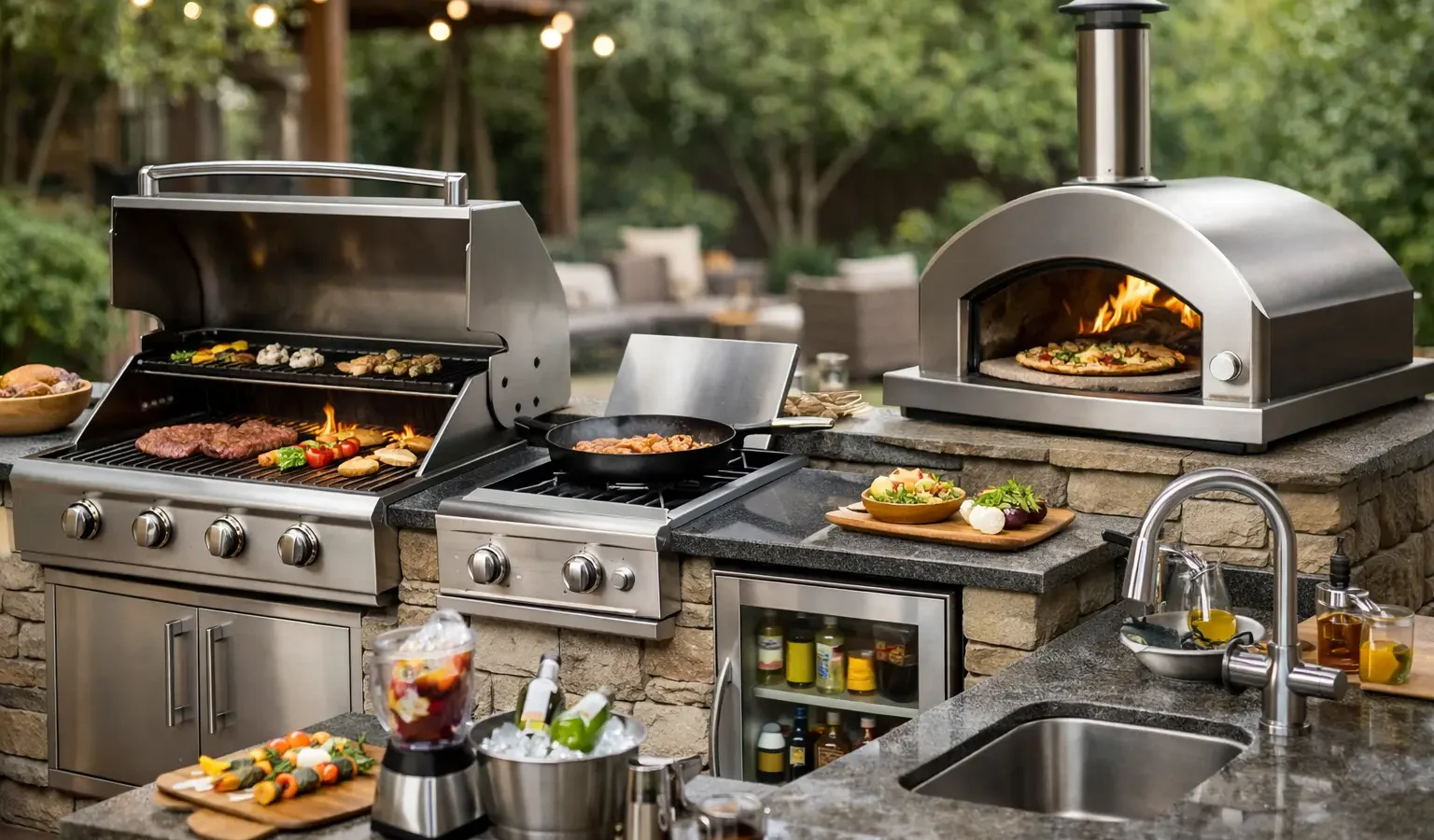
A grill on a patio can make dinner outdoors. A well-planned kitchen can make the backyard the place people naturally gather. The best outdoor kitchen appliances are not simply the most expensive or feature-heavy options. They are the pieces that suit how you cook, fit the available space, hold up in your climate, and work together as part of a buildable plan.
For homeowners considering a substantial backyard upgrade, appliance choices should come after a few practical decisions: where the kitchen will sit, how it connects to the house, how many people you expect to host, and whether you want a cooking station or a full outdoor entertaining environment. A clearer plan now leads to a more useful first conversation with an outdoor kitchen builder later.
Start With the Way You Actually Entertain
An outdoor kitchen does not need every available appliance to feel complete. In fact, overfilling a compact patio with specialized equipment can leave too little room for prep, serving, seating, and circulation. Start by picturing a typical Saturday at home. Are you grilling burgers for six, preparing a multi-course meal for friends, smoking brisket for a neighborhood gathering, or keeping drinks accessible while everyone uses the pool?
A homeowner who cooks outdoors twice a week may need a capable grill, a modest prep surface, and cold storage. Someone who regularly hosts larger groups may benefit from a larger grill, refrigerator drawers, an ice maker, and a dedicated beverage area that keeps guests out of the cooking zone. The right scope depends on your habits, not a showroom checklist.
Also consider where food preparation happens now. If you expect to move back and forth to the indoor kitchen for every cutting board, side dish, and drink refill, the new space may look impressive but feel less convenient than it should. An outdoor kitchen earns its footprint when it reduces those trips and makes hosting easier.
The Core Outdoor Kitchen Appliances Worth Prioritizing
The Grill Is the Anchor
For most projects, the built-in grill is the central appliance and the best place to begin. Built-in gas grills are popular because they offer quick startup, predictable heat, and easy integration into masonry, stone, stucco, or stainless-steel cabinetry. They work especially well for homeowners who want weeknight convenience as well as weekend entertaining.
Grill size should reflect both your cooking style and your counter layout. A wider grill gives you room for direct and indirect heat zones, but it also requires more cabinet width, fuel capacity, and budget. Choosing an oversized grill for a household that usually cooks for four can crowd out the prep space that makes outdoor cooking more functional.
Charcoal, pellet, and ceramic grills bring a different experience. They can produce excellent smoke flavor and suit homeowners who enjoy slower, more hands-on cooking. The trade-off is that they may require more clearance, longer preheat times, dedicated storage for fuel, and a more deliberate cleanup routine. In some projects, a gas grill paired with a smoker is the right combination. In others, one versatile cooking appliance is all the kitchen needs.
Outdoor Refrigeration Changes How the Space Works
A rated outdoor refrigerator is one of the most practical additions to a cooking area. It keeps ingredients, marinades, and drinks within reach while reducing trips indoors. Look for appliances specifically designed for exterior conditions, with appropriate weather resistance, drainage considerations, and temperature performance for your region.
Refrigerator drawers can be particularly useful below a counter because they preserve a clean sightline and allow easy access from the prep area. A single upright refrigerator may offer more capacity for larger gatherings. If cold drinks are the priority, a dedicated beverage center can keep the main refrigerator available for food.
Do not assume an indoor mini-fridge will perform safely or reliably outside. Heat, humidity, rain exposure, and restricted ventilation can shorten its life and create avoidable service issues. This is one category where choosing an outdoor-rated appliance is usually worth the investment.
Storage and Prep Space Are Part of the Appliance Plan
Stainless-steel drawers, trash pullouts, paper-towel holders, and dry storage may not be the glamorous part of an outdoor kitchen, but they determine whether the space feels organized during a meal. A grill without nearby utensil storage or landing space creates a frustrating workflow. The same is true of a sink without room for washing, drying, and setting down dishes.
Plan for durable counter space on both sides of the grill when possible. One side can serve as a prep zone, while the other gives you a safe place for finished food and hot tools. This may matter more than adding a second niche appliance.
A Sink Depends on Utilities and Expectations
An outdoor sink is useful for washing produce, rinsing hands, filling a pot, and handling quick cleanup. It becomes much more valuable when the outdoor kitchen is far from the home or designed for frequent entertaining. But it also introduces plumbing, drainage, and winterization requirements that vary by location.
In a mild climate, a sink may be a straightforward enhancement. In a freeze-thaw region, the builder will need to plan protected water lines, shutoff access, and seasonal maintenance. If a sink will stretch the budget or complicate an otherwise simple patio project, it may be better to allocate those dollars to better cabinetry, lighting, or a larger prep surface.
Specialty Appliances: Choose Them for a Reason
Specialty equipment can make an outdoor kitchen feel tailored to the household. It can also create a costly installation that sees little use. The best choices are tied to a specific cooking habit or entertaining need.
A pizza oven makes sense for homeowners who enjoy making pizza, baking bread, or cooking at high heat for groups. It needs thoughtful placement because of its footprint, heat output, chimney or venting requirements, and the way people gather around it. A side burner is useful for sauces, sautéing, and seafood boils, especially when paired with a grill. Power burners offer more intensity for large pots and wok-style cooking, but they are not necessary for every backyard.
Other additions may include a griddle, warming drawer, ice maker, kegerator, or wine refrigerator. Each has a legitimate role, but each adds utility needs, maintenance, and space demands. Ice makers, for example, are convenient around a pool or bar but can require regular cleaning and careful drainage planning. A griddle can be a favorite for breakfast and smash burgers, but it may duplicate functions you already have indoors.
Before adding any specialty appliance, ask one direct question: will we use this at least once or twice a month during the season? If the answer is uncertain, reserve space for it in a future phase rather than committing the budget now.
Build for Climate, Fuel, and Service Access
Appliance selection is only half the decision. The kitchen must be designed to support those appliances safely and practically. A beautiful grill island can become expensive to revise if fuel lines, electrical service, drainage, ventilation, or access panels were treated as afterthoughts.
Gas appliances require a properly sized natural gas line or a practical propane strategy. Natural gas offers the convenience of a continuous supply, while propane can work well where extending a gas line is difficult or costly. The trade-off is tank storage and the need to monitor fuel levels before a gathering.
Electrical planning matters for refrigerators, lighting, ice makers, ventilation accessories, and outlets. Outdoor circuits must be installed appropriately for the environment, and the available electrical capacity at the home may influence what is feasible. In coastal areas, salt air can accelerate corrosion. In mountain and northern climates, snow, freezing temperatures, and seasonal shutdowns affect material and appliance choices. In hot, sunny regions, shade and ventilation can be just as important as refrigeration capacity.
Service access deserves attention too. Appliances eventually need maintenance or replacement. A builder should be able to remove a grill or refrigerator without dismantling finished stonework, countertops, or adjacent cabinetry. This is the kind of detail that may not show up in inspiration photos but has a real effect on long-term ownership.
Design the Kitchen as Part of the Backyard
The strongest outdoor kitchens work with the rest of the property. They may connect to a deck, open toward a pool, sit beneath a pavilion, or create a transition between the house and a fire feature. Placement affects more than appearance. It shapes wind exposure, smoke direction, sun, privacy, views, and the distance between the cook and the guests.
A kitchen close to the house can simplify utility connections and make it easy to bring food outside. A more remote kitchen near a pool or view can create a destination, but it may need greater investment in power, water, gas, and pathways. Neither approach is automatically better. The right one reflects how you want the backyard to function.
When you are ready to speak with a builder, bring the practical details along with your inspiration images: preferred appliances, approximate guest count, whether you need water or gas, the project location, budget range, and timeline. That context helps create a useful first conversation and gives you more control over the decisions that follow.
The best outdoor kitchen is not the one with the longest appliance list. It is the one that makes your backyard easier to use, more comfortable to share, and ready for the way you want to live outside.