Best Deck Railing Materials for Your Home
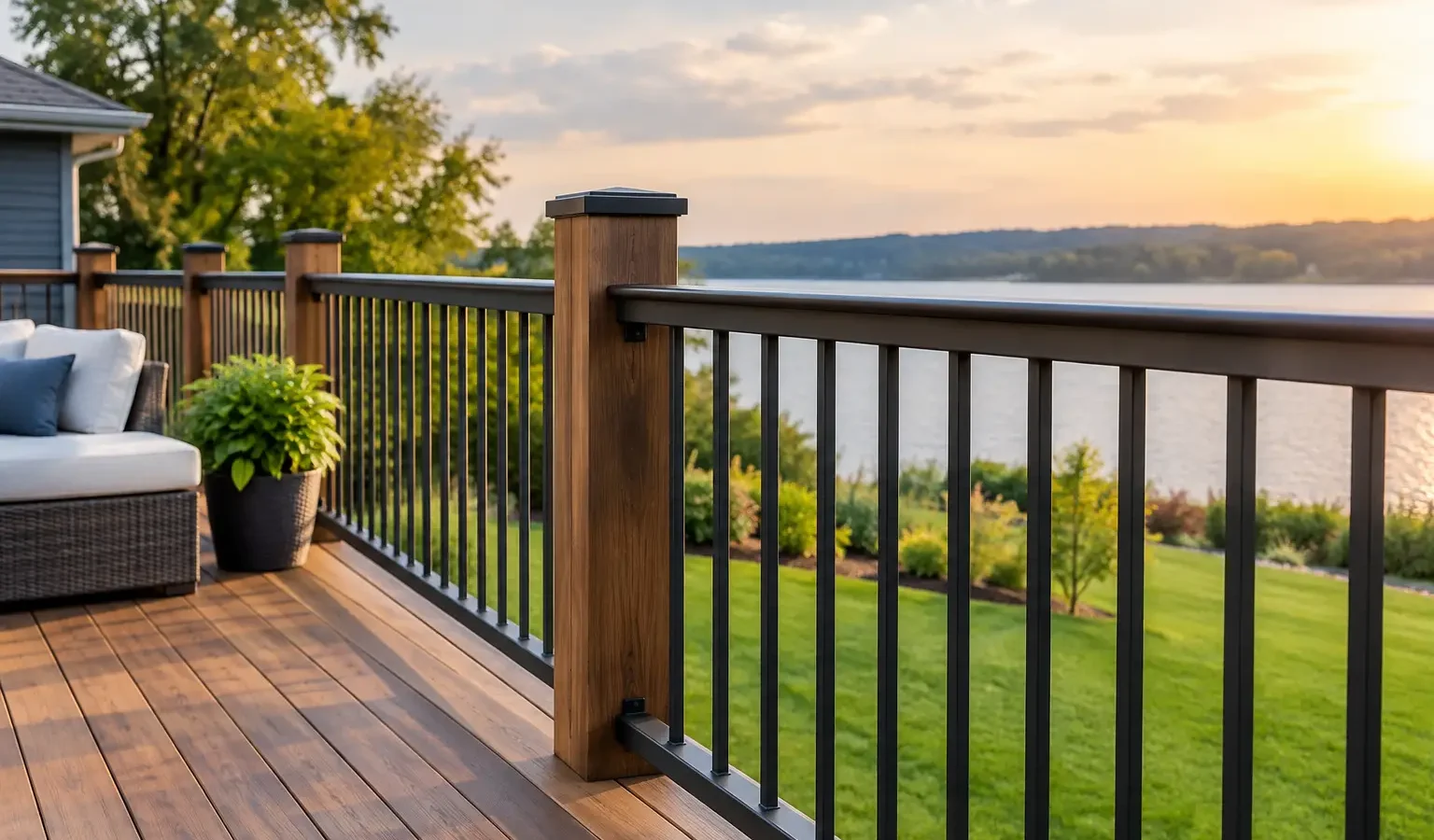
A railing is not a finishing detail. It shapes the view from your deck, affects how open or enclosed the space feels, and becomes one of the most visible maintenance items in the backyard. Choosing the best deck railing materials means balancing appearance with climate, code requirements, cleaning expectations, and the way you plan to use the space.
For a simple replacement deck, that choice may be straightforward. For an elevated deck overlooking a lake, a screened porch transition, or a larger backyard renovation with an outdoor kitchen and fire feature, railing decisions deserve to be made early. The right material can support the architecture and preserve sightlines. The wrong one can make an otherwise well-designed deck feel heavy, dated, or harder to maintain than expected.
Start With the Deck’s Job
Before comparing samples, consider what the railing needs to do for your property. A ground-level platform may need a railing only in selected areas, while an elevated deck requires a code-compliant guardrail with specific height, opening, and load requirements. Your builder should confirm the local rules, particularly where snow loads, coastal exposure, or steep grades add complexity.
Then consider the experience of being on the deck. Do you want an unobstructed view of a wooded lot, water, or mountain setting? Is privacy from neighboring homes the priority? Will children or pets be using the space? Are you trying to match an existing porch, historic home, or contemporary exterior?
These answers narrow the field quickly. A railing that works beautifully on a low-maintenance suburban composite deck may not be the best choice for a salt-air coastal home or a cabin that needs to handle deep winter snow.
Best Deck Railing Materials at a Glance
There is no single best material for every project. Most homeowners are choosing among wood, composite or vinyl systems, metal, cable, and glass. Many of the strongest designs combine two materials, such as a composite frame with black aluminum balusters or a wood top rail with stainless steel cable infill.
Wood: Traditional and Highly Customizable
Wood railings remain a natural fit for classic homes, covered porches, and decks where warmth and custom detailing matter. Cedar and redwood offer natural beauty and good decay resistance. Pressure-treated lumber is generally the more economical option, while hardwoods can create a more refined look when properly specified.
Wood is also flexible. It can be painted or stained, built in custom profiles, and coordinated with wood decking, trim, or pergola structures. For homeowners restoring an older home or aiming for a craftsman-style exterior, that flexibility can be difficult to replace.
The trade-off is upkeep. Sun, moisture, and temperature swings can lead to checking, fading, movement, and finish wear. Wood railings need regular inspection and periodic sealing, staining, or painting. If your goal is to spend weekends using the deck rather than maintaining it, wood may be better reserved for protected areas or used in a design with metal infill panels.
Composite and Vinyl: Consistent, Low-Maintenance Options
Composite railing systems are designed to coordinate with composite decking, giving the entire deck a polished, uniform appearance. They typically use a structural core wrapped in a protective outer layer, with options ranging from traditional white profiles to darker contemporary colors. Vinyl railings offer a similar clean, bright look and are often chosen for porches and traditional exteriors.
For homeowners who want predictable maintenance, these systems are appealing. They do not require staining or painting, and routine cleaning is usually limited to soap, water, and a soft brush. They can also be a practical choice when a deck is exposed to frequent rain or intense summer sun.
Still, low maintenance is not no maintenance. Pollen, mildew, food spills, and sunscreen can leave marks, especially on light colors and textured surfaces. Composite and vinyl systems can also look more substantial than wood or metal, which may block more of a view. Quality varies by manufacturer, so ask how the system handles fading, expansion and contraction, and replacement parts years down the road.
Aluminum: Durable, Clean-Lined, and Versatile
Powder-coated aluminum is one of the most versatile railing materials for contemporary and transitional homes. It is lightweight, resistant to corrosion, and available in slender profiles that keep sightlines relatively open. Black remains a popular finish because it visually recedes against landscaping, but bronze, white, and custom colors can work well with the home’s exterior.
Aluminum baluster railings are often a strong middle ground between price, durability, and visual weight. They pair easily with wood or composite posts and top rails, making them useful for homeowners who want a tailored look without the cost of a fully custom metal fabrication.
The main limitation is that aluminum can feel less substantial or traditional than wood. It may also show scratches, particularly in high-contact areas. In coastal locations, confirm that the powder-coat finish and fasteners are appropriate for salt exposure rather than assuming all aluminum systems perform the same way.
Steel and Wrought Iron: Strong Architectural Presence
Steel railings bring a more custom, architectural appearance. They can suit modern homes, masonry patios, urban roof decks, and traditional properties with ornamental metalwork. Properly fabricated and finished steel feels solid, allows for slim profiles, and can be shaped for stairs, curves, and distinctive site conditions.
This option is usually a larger investment than standard aluminum. It also requires careful attention to coatings, welds, and touch-up maintenance to prevent corrosion. True wrought iron is often used as a broad description, but the actual material and finishing process matter. Ask your builder what is being specified, where it is fabricated, and how it will be protected over time.
Cable: Open Views With More Detail Behind the Scenes
Cable railing is often chosen for view properties because the horizontal stainless steel lines preserve an open feeling. It can be especially effective on lakeside decks, mountain homes, and contemporary backyards where the landscape is part of the design.
The clean look comes with planning requirements. Cables must be correctly tensioned and supported to meet code, and the posts need enough strength to resist the forces created by the system. Horizontal cables may also invite climbing, a consideration for households with young children. In marine or humid environments, specify marine-grade stainless components and understand the cleaning needed to avoid surface staining.
Cable railing is not necessarily the lowest-maintenance choice, despite its minimal look. Tension checks, hardware inspection, and occasional cleaning are part of responsible ownership. It is best installed by a builder familiar with the system rather than treated as a generic add-on.
Glass: Maximum View, Higher Cleaning Commitment
Glass railing offers the least interrupted view of any common option. It can make a smaller deck feel larger and is especially compelling where the deck overlooks water, a city skyline, or a carefully designed landscape. Frameless systems create a striking modern effect, while framed panels can feel more structured and may fit a broader range of homes.
The practical consideration is visible upkeep. Rain spots, fingerprints, pollen, and salt spray are more noticeable on glass than on most other materials. Tempered safety glass and properly engineered mounting hardware are essential, and the installation needs to account for drainage, wind, and the local code.
For homeowners who value the view above all else, the additional investment and cleaning can be worthwhile. For a heavily wooded yard with frequent pollen or a deck used by active children and pets, aluminum or cable may provide a more forgiving alternative.
Match the Material to the Climate and Use
A railing should be chosen for the conditions it will face, not only for the look it has in a showroom. Coastal homes benefit from corrosion-resistant metals, stainless hardware suited to salt air, and finishes designed for marine conditions. In snowy regions, strong connections and practical rail profiles matter when snow accumulates against the deck. Hot, sunny climates call for realistic conversations about color fading and surface temperature.
Use patterns matter just as much. A deck built for quiet morning coffee has different priorities than a busy entertaining space with frequent guests, grilling, and children moving between the yard and kitchen. If privacy is needed on one side but a view is prized on another, a mixed railing plan can solve both problems without forcing one material everywhere.
Ask These Questions Before You Approve a Railing Plan
A useful first conversation with a deck builder should move beyond color samples. Ask how the proposed railing meets local code, whether the material is appropriate for your exposure conditions, and what maintenance will actually look like in year three or year ten. Confirm where structural posts will land, how stair railings will be handled, and whether the design preserves the view from seated as well as standing height.
Also ask what is included. Post sleeves, lighting, drink rails, gates, special-order finishes, cable tensioning, glass cleaning access, and demolition of an existing railing can all affect the final scope. Clear answers here make estimates easier to compare because you are comparing complete systems, not just a per-foot material price.
The best choice is the one that supports how you want to live outside while fitting the home, the setting, and the level of care you want to give it. Bring your priorities, photos, and site conditions into the builder conversation early. With a clear project picture, you can decide with confidence and keep control of the details that will shape your deck every day.